Who Won World War 1: The Complete Breakdown
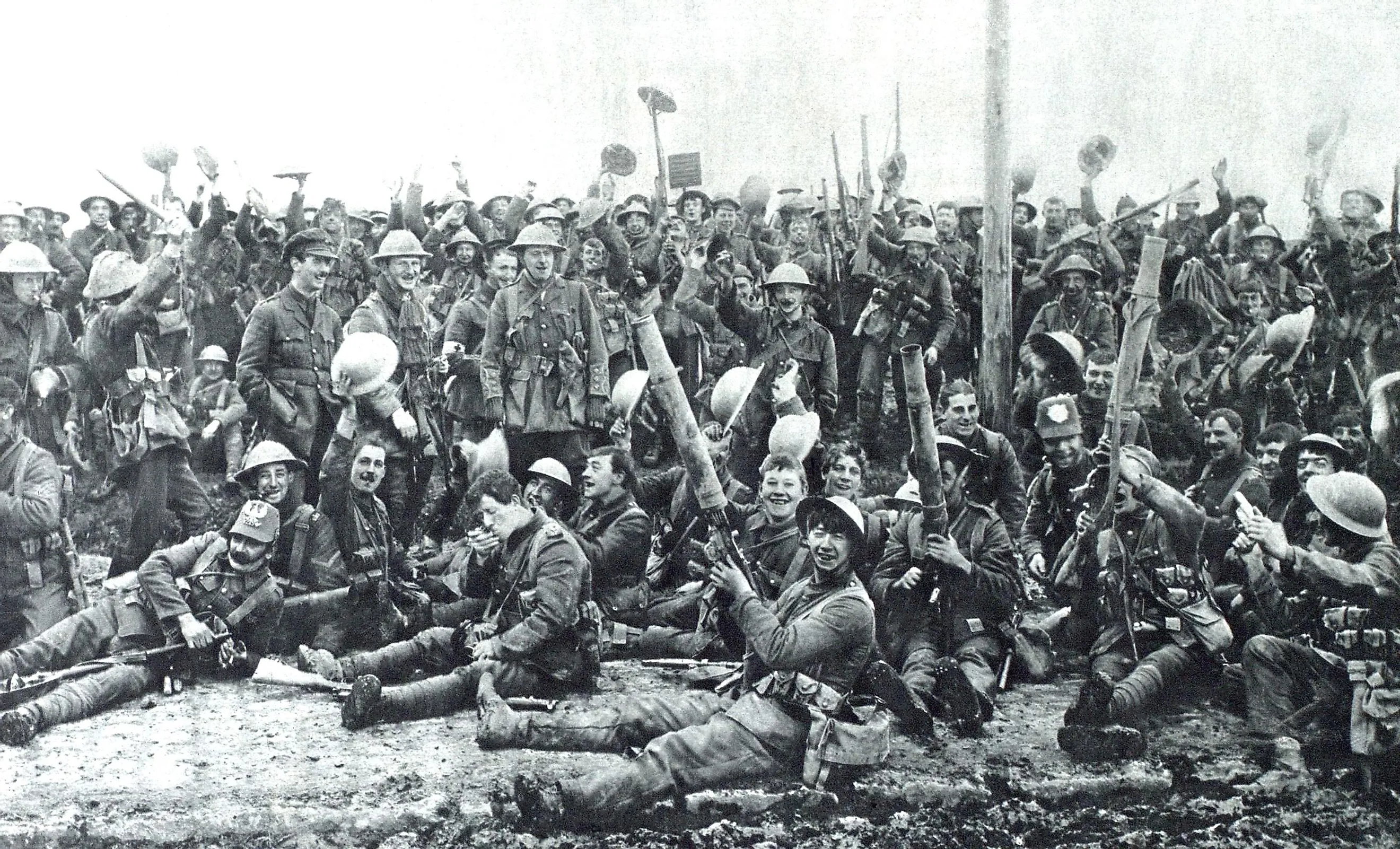
World War I, one of the deadliest conflicts in human history, saw the mobilization of over 65 million troops from various countries across the globe. Fought between the Allied Powers and the Central Powers from 1914 to 1918, the war resulted in unprecedented destruction, loss of life, and a profound impact on the global order. While the war is often associated with the Allied victory, the question of who "won" the conflict is more complex than a simple victory or defeat. In this comprehensive article, we will delve into the complexities of the war's outcome, exploring the various perspectives and factors that shaped the ultimate result.
The Allied Powers, comprising countries such as France, Britain, and the United States, ultimately emerged victorious, but at what cost? The war left deep scars on Europe, the Middle East, and the world at large. The Treaty of Versailles, signed in 1919, imposed harsh penalties on Germany, contributing to widespread resentment and setting the stage for the rise of Nazi Germany in the years to come. The war also brought about significant changes in the global balance of power, paving the way for the emergence of the United States and the Soviet Union as superpowers.
The War's Complexities
The question of who "won" World War I is complicated by the fact that the war was fought on multiple fronts, involving various countries and factions. The war began as a conflict between Austria-Hungary and Serbia, but quickly escalated into a global conflict. The Central Powers, led by Germany, Austria-Hungary, and the Ottoman Empire, faced off against the Allied Powers, consisting of countries such as France, Britain, Russia, and the United States.
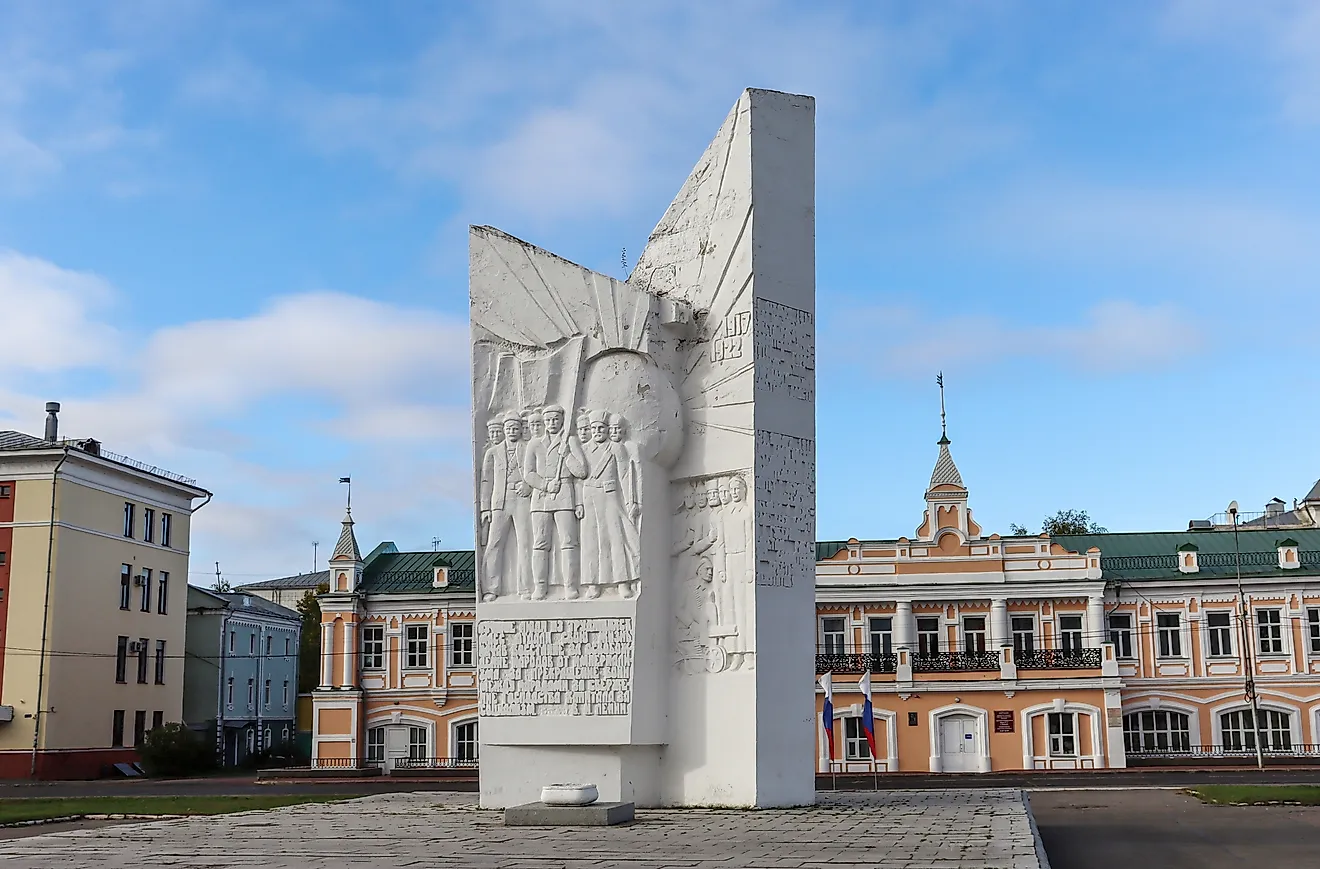
While the Allies ultimately emerged victorious, it's essential to acknowledge the significant contributions made by various nations, including the Russian Empire, which suffered over 3.5 million casualties during the war. The Russian Revolution of 1917 forced Russia to withdraw from the conflict, but the bravery and sacrifice of the Russian people should not be overlooked.
The Alliances and Their Impact
The complex system of alliances played a significant role in the war's outcome. The Triple Entente, consisting of France, Britain, and Russia, formed in 1907, while the Central Powers, led by Germany, formed the Triple Alliance with Austria-Hungary and Italy. However, Italy eventually switched sides, joining the Allies in 1915.
The system of alliances created a domino effect, drawing more and more countries into the conflict. When Austria-Hungary declared war on Serbia in 1914, Russia mobilized its military in response, prompting Germany to declare war on Russia. This, in turn, led to Britain's entry into the war after Germany invaded Belgium.
The Treaty of Versailles
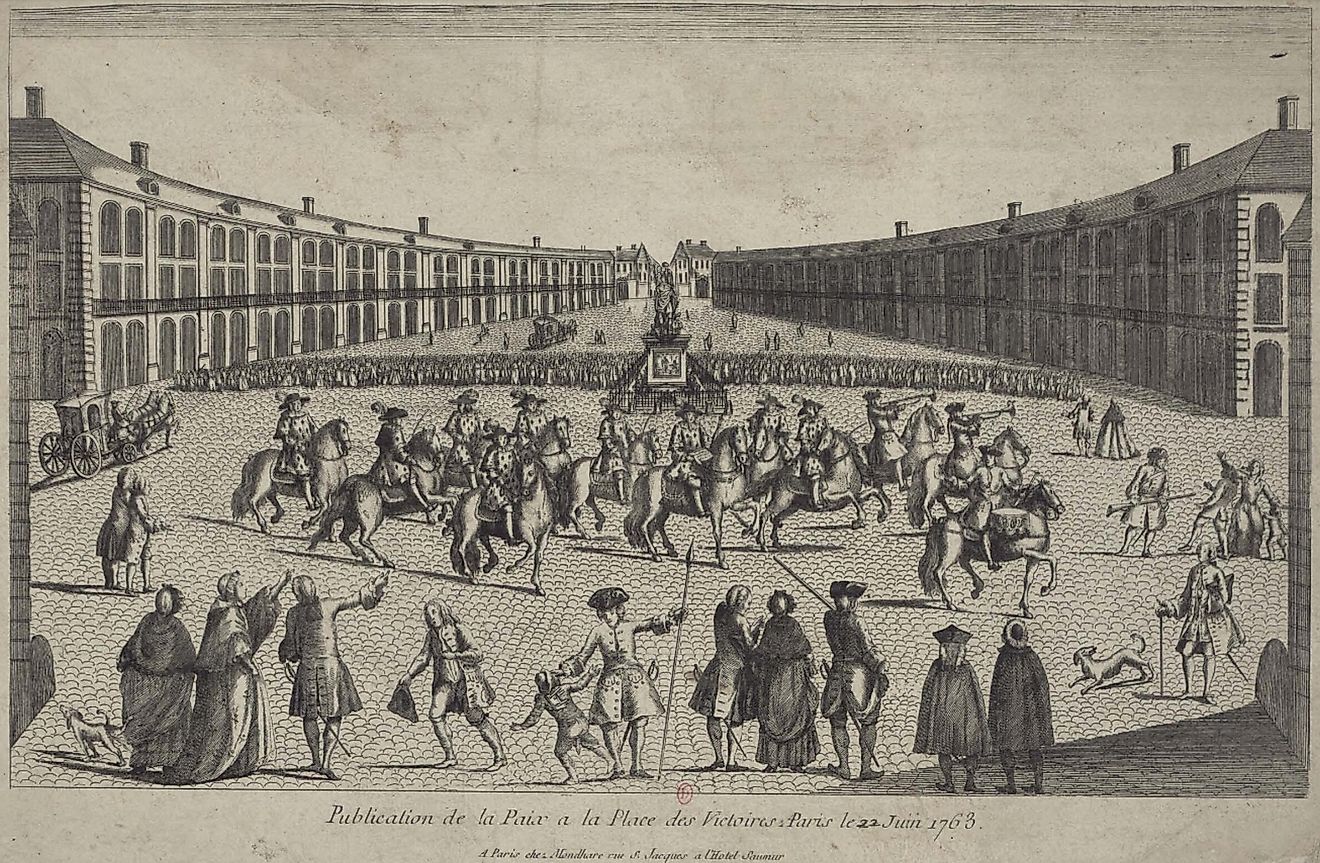
The Treaty of Versailles, signed on June 28, 1919, officially ended the war. The treaty imposed severe penalties on Germany, including significant territorial losses, massive reparations, and severe restrictions on its military. The treaty's "war guilt" clause, which held Germany responsible for the war, further exacerbated tensions and contributed to widespread resentment.
The treaty's impact was far-reaching, leading to the rise of extremist movements and ultimately paving the way for the rise of Nazi Germany. Adolf Hitler, who rose to power in 1933, used the Treaty of Versailles as a rallying cry, vowing to restore Germany's honor and territorial integrity.
The War's Legacy
World War I had a profound impact on the world, contributing to significant changes in politics, society, and culture. The war marked the beginning of a new era of global politics, with the rise of the United States and the Soviet Union as superpowers.
The war also brought about significant social and cultural changes, including the rise of women's rights, the decline of monarchies, and the emergence of new forms of art and literature. The war's devastating effects on civilians, particularly in the trenches of the Western Front, had a lasting impact on the way people perceive war and violence.
The Winners and Losers
So, who "won" World War I? The answer is not as straightforward as it seems. The Allies, comprising countries such as France, Britain, and the United States, emerged victorious, but at a great cost. The war left deep scars on Europe, the Middle East, and the world at large.
The Treaty of Versailles imposed harsh penalties on Germany, contributing to widespread resentment and the rise of extremist movements. The war also brought about significant changes in the global balance of power, paving the way for the emergence of the United States and the Soviet Union as superpowers.
While the Allies emerged victorious, it's essential to acknowledge the significant contributions made by various nations, including the Russian Empire, which suffered over 3.5 million casualties during the war.
The Final Verdict
World War I was a complex and multifaceted conflict that defies simplistic answers. The war was fought on multiple fronts, involving various countries and factions, and its outcome was shaped by a range of factors, including alliances, treaties, and the emergence of new technologies.
While the Allies ultimately emerged victorious, it's essential to acknowledge the significant sacrifices made by all nations involved, including the devastating human cost, the destruction of cities and towns, and the long-term impact on global politics and society.
Ultimately, the question of who "won" World War I is a matter of perspective. The war marked a turning point in human history, contributing to significant changes in politics, society, and culture. As we reflect on the war's legacy, it's essential to remember the complexities and nuances of this pivotal moment in human history.
The Timeline of World War I
* 1914: The war begins on July 28, 1914, when Austria-Hungary declares war on Serbia.
* 1915: Italy switches sides, joining the Allies.
* 1916: The Battle of Verdun takes place, one of the deadliest battles in human history.
* 1917: Russia withdraws from the conflict after the Russian Revolution.
* 1918: The war turns in favor of the Allies, with the United States entering the conflict in April 1917.
* 1919: The Treaty of Versailles is signed on June 28, 1919, officially ending the war.
Key Figures of World War I
* Kaiser Wilhelm II: The German emperor who led his country into the war.
* Woodrow Wilson: The American president who led the country into the war and played a key role in the Treaty of Versailles.
* David Lloyd George: The British prime minister who played a key role in the Allied victory.
* Vladimir Lenin: The Russian revolutionary who led the country out of the war.
* Adolf Hitler: The German politician who rose to power in the 1930s and sought to restore Germany's honor and territorial integrity.