The Yemen Crisis: Unveiling Houthi Military Power - A Deep Dive
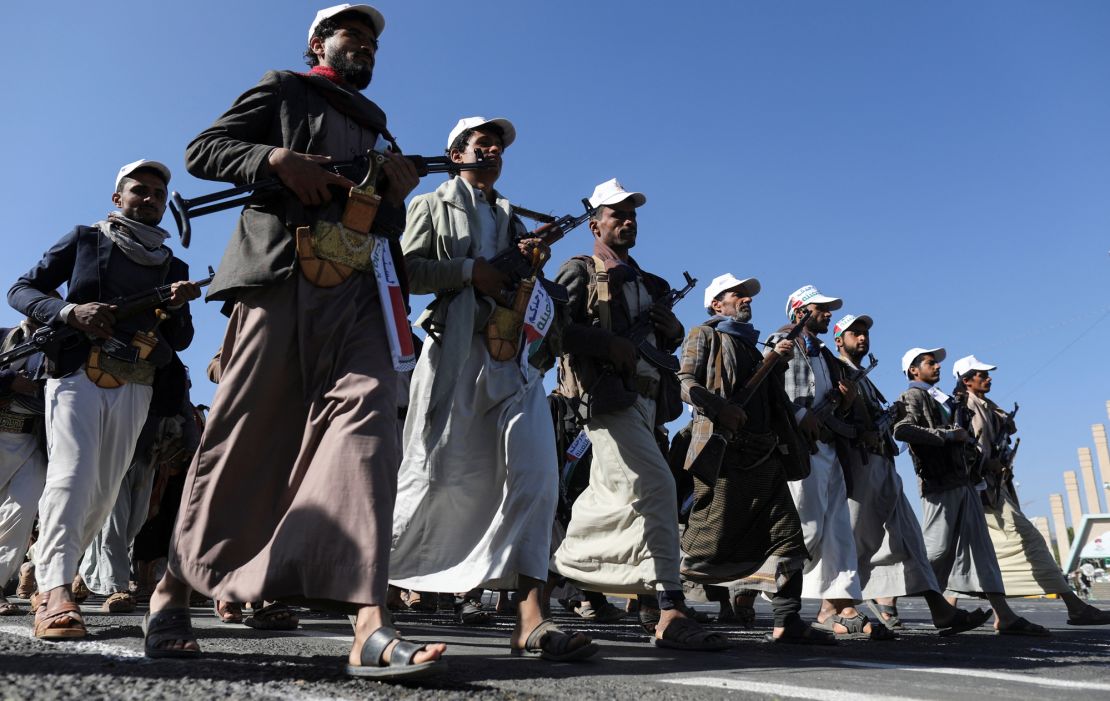
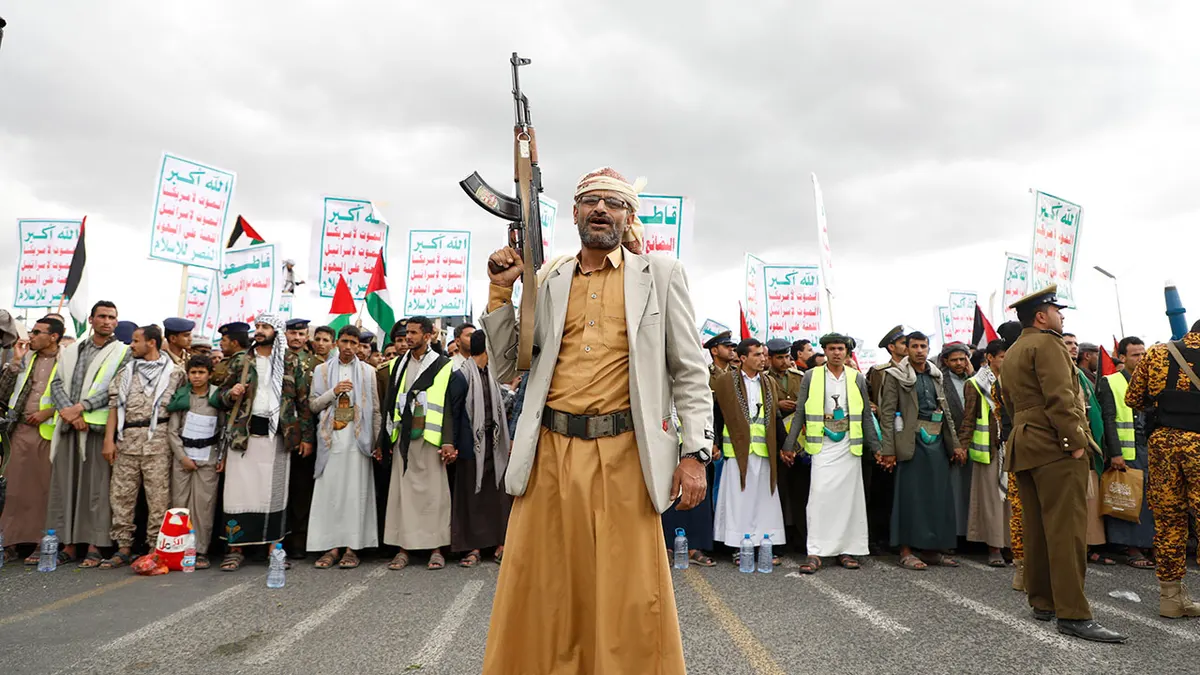
The Yemen crisis, which began in 2015, has been plagued by conflict, humanitarian crisis, and a complex web of regional and global interests. At the heart of the conflict lies the Houthi movement, a Zaidi Shia group that has been fighting against the internationally recognized government of Yemen, led by President Abdrabbuh Mansur Hadi. With its military power growing exponentially, the Houthi movement has become a force to be reckoned with in the region. In this deep dive, we will explore the Houthi military power, its capabilities, and its implications for regional and global stability.
Houthi Military Origins and Background
The Houthi movement originated in the 1990s as a response to poverty, corruption, and foreign influence in the northern region of Yemen. The group was led by Hussein Badreddin al-Houthi, who was killed in 2004 by Yemeni government forces. After his death, his brother, Abdul-Malik al-Houthi, took over the leadership of the movement. The group's primary goal was to establish a more just and equitable society based on Islamic principles.
Key Factors Contributing to Houthi Military Power
- Geography and Terrain: Yemen's rugged terrain and strategic location at the southern tip of the Arabian Peninsula have provided the Houthi movement with a natural advantage in terms of border security and logistics. The country's long coastline also allows for easy access to the sea and the ability to smuggle goods and people.
- Domestic Support and Mobilization: The Houthi movement has been able to tap into the deep-seated grievances of the Yemeni population, particularly in the north, where poverty, unemployment, and lack of access to basic services are widespread. This domestic support has allowed the group to mobilize a significant number of fighters.
- Iranian Support and Training: The Houthi movement has received significant support from Iran, which has provided the group with military training, logistical aid, and financial assistance. This support has helped the Houthi to develop its military capabilities and to acquire advanced weaponry.
- Aid from Pro-Houthi Arab Forces: The Houthi also receives support from pro-Houthi groups, mainly from countries like Iraq, and even parts of the Lebanese Shi'a group Hezbollah has sent fighters to support the Houthis.
Houthi Military Capabilities
The Houthi movement has developed a range of military capabilities, including:
Land-Based Forces and Heavy Artillery
The Houthi has acquired a range of Soviet-era heavy artillery systems, including 85mm and 130mm guns, which have been used to attack government forces and Saudi-led coalition positions. The group has also developed its own land-based forces, including infantry, armor, and special operations units.
Sea-Based Forces
The Houthi movement has developed a significant naval capability, with a fleet of fast attack boats and patrol vessels. This has allowed the group to disrupt government shipping and to launch attacks on coalition positions along the coast.
Air Defense Systems
The Houthi movement has acquired a range of air defense systems, including surface-to-air missiles and radar systems. This has allowed the group to shoot down coalition aircraft and to disrupt their air campaign.
Implications of Houthi Military Power
The Houthi movement's growing military power has significant implications for regional and global stability. Some of the key implications include:
Risk of Escalation and Confrontation
The Houthi movement's military power and its willingness to engage in direct conflict with Saudi-led coalition forces and Yemeni government troops increases the risk of escalation and confrontation in the region. This could have significant consequences for regional and global stability, particularly if the conflict spreads beyond Yemen's borders.
Stability of Regional Countries
The Houthi movement's military power and its ability to influence regional politics have significant implications for the stability of neighboring countries. The group's activities have already sparked concerns in countries such as Oman and the United Arab Emirates, which share a border with Yemen.
International Implications and Support for the Saudi-led Coalition
The international community has been increasingly concerned about the Houthi movement's military power and its implications for regional and global stability. Many countries, including the United States, have provided military support to the Saudi-led coalition in an effort to counter the Houthi movement's growing power.
Conclusions
The Houthi movement's military power and its implications for regional and global stability are critical issues that require careful consideration. The group's domestic support, Iranian support, and military capabilities have made it a force to be reckoned with in the region. As the conflict in Yemen continues to unfold, it is essential to understand the Houthi movement's military power and its implications for the stability of the region and the world.
Recommendations for the Future
Several key recommendations can be made for the future:
Address the Root Causes of the Conflict
The Houthi movement's military power and its implications for regional and global stability are, in part, a result of the deep-seated grievances of the Yemeni population. Efforts to address these grievances, through a comprehensive and inclusive peace process, are critical to reducing the Houthi movement's influence and promoting regional stability.
Support a Diplomatic Solution
A diplomatic solution to the conflict in Yemen is crucial. Support for a negotiated settlement that addresses the grievances of the Yemeni population and promotes regional stability is essential to reducing the risk of escalation and confrontation.
Monitor the Situation Closely
The international community should closely monitor the situation in Yemen and the implications of the Houthi movement's military power for regional and global stability. This will allow for timely and effective action to promote a peaceful resolution to the conflict.
In conclusion, the Houthi movement's military power and its implications for regional and global stability are critical issues that require careful consideration. Addressing the root causes of the conflict, supporting a diplomatic solution, and monitoring the situation closely are essential to reducing the risk of escalation and promoting regional stability.