Mars: Unveiling the Secrets of the Red Planet
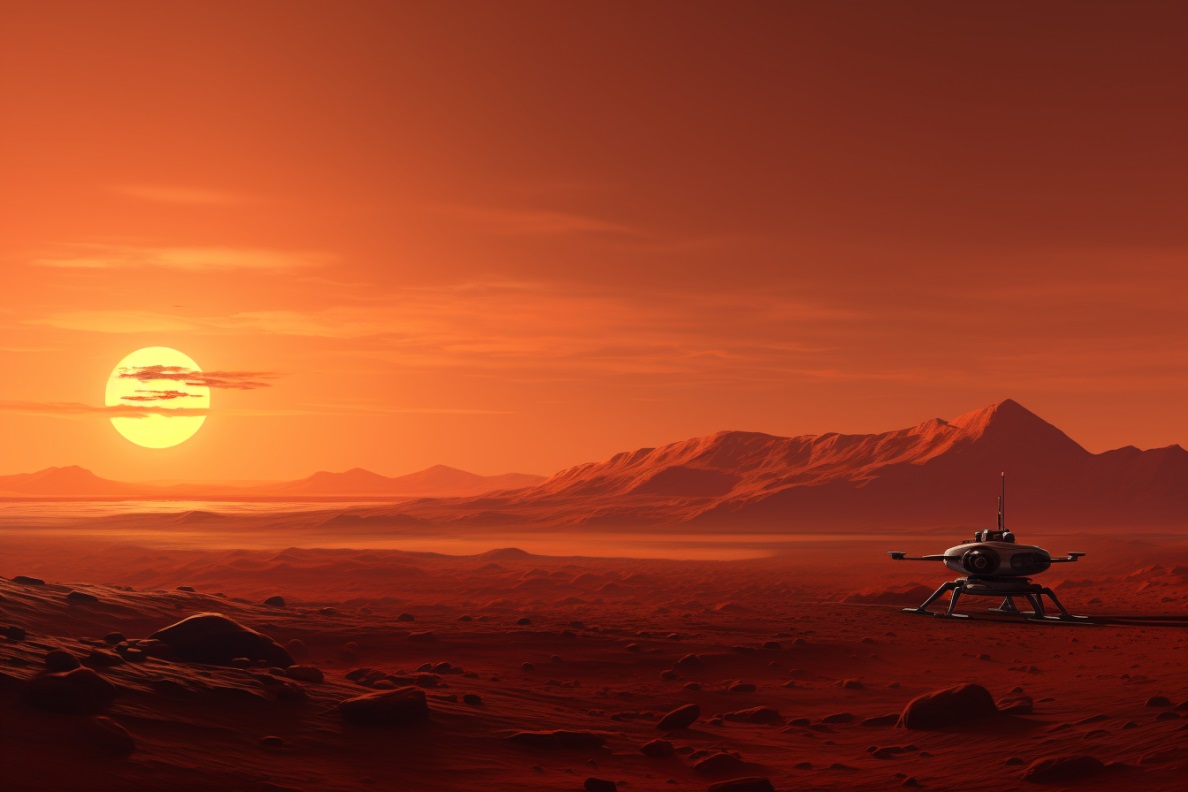
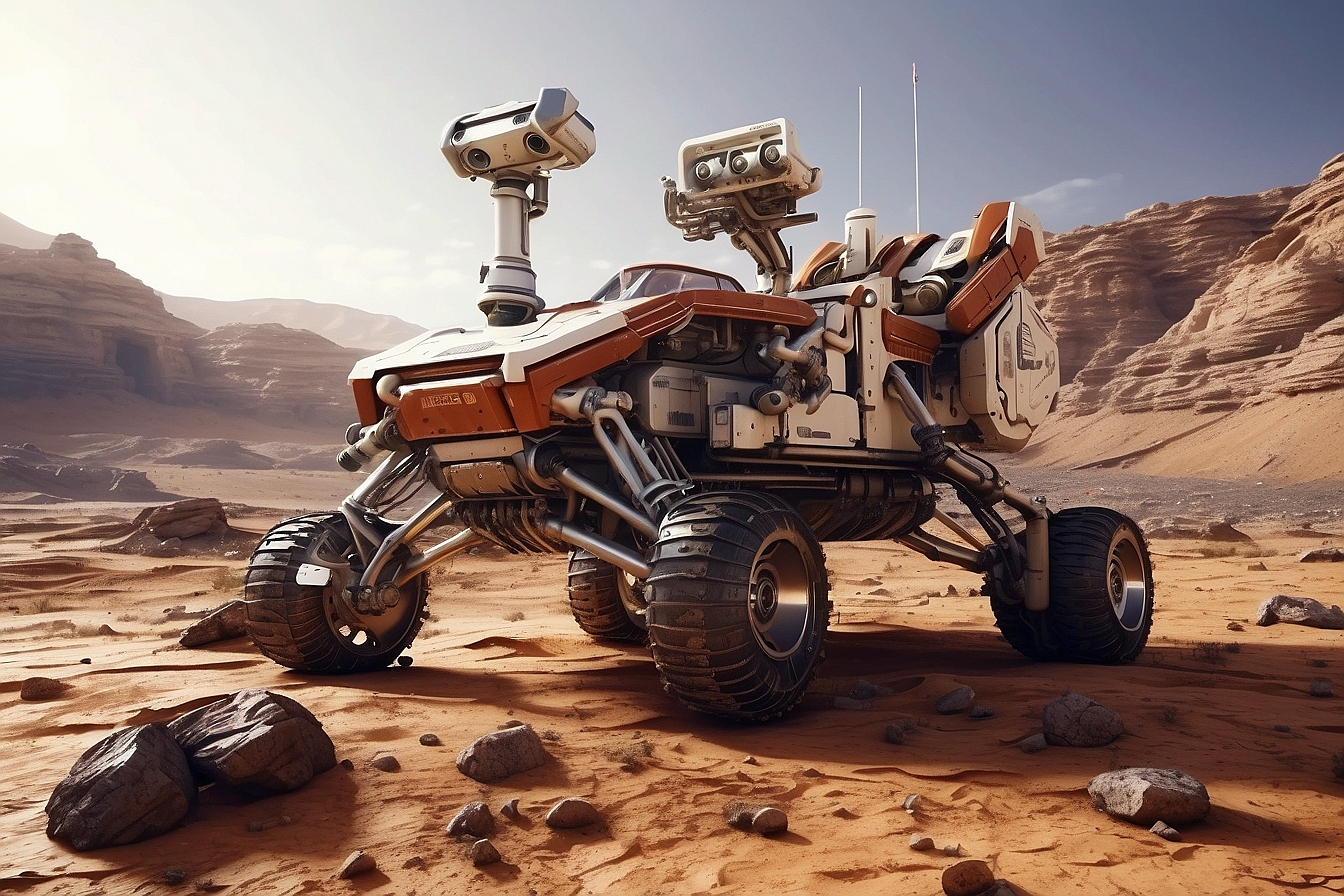
As NASA's Perseverance rover continues to explore the Martian surface, scientists are making groundbreaking discoveries that shed new light on the Red Planet's history, geology, and potential for life. With ongoing missions and a slew of new findings, it's time to take a deep dive into the current status of Mars and what it tells us about our neighboring world.
Mars, the fourth planet from the Sun, has captivated human imagination for centuries. From ancient civilizations to modern-day space agencies, the allure of the Red Planet has driven exploration and research efforts. Today, Mars is a hotbed of scientific inquiry, with a flurry of missions and discoveries that promise to rewrite our understanding of this unforgiving yet fascinating world.
The Geology of Mars
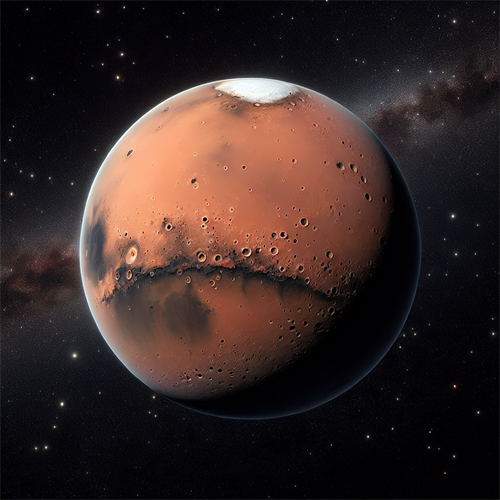
Mars is a rocky planet with a surface characterized by numerous craters, canyons, and volcanoes. The planet's geology is dominated by basaltic rock, which suggests a long history of volcanic activity. Scientists believe that Mars underwent a period of intense volcanism around 3.5 billion years ago, resulting in the formation of massive volcanoes like Olympus Mons, the largest volcano in our solar system.
"Mars is a geological goldmine," says Dr. Sarah Milkovich, a planetary scientist at NASA's Jet Propulsion Laboratory. "Its surface provides a unique window into the planet's history, with features like canyons and volcanoes that offer clues to the processes that shaped the planet over billions of years."
The Water Cycle on Mars
Water is a crucial component of any planetary ecosystem, and Mars has a complex and intriguing water cycle. Scientists have found evidence of ancient rivers, lakes, and even oceans on the Martian surface, which raises questions about the planet's potential for life. The Red Planet's water cycle is closely tied to its climate, which undergoes frequent and dramatic changes due to the planet's thin atmosphere.
The Mars Reconnaissance Orbiter has provided stunning images of the planet's water-rich past, with features like the massive Valles Marineris canyon system and the sprawling delta of the Argyre impact basin.
The Search for Life on Mars
One of the most pressing questions in planetary science is whether life exists on Mars. NASA's Perseverance rover is designed to search for signs of past or present life on the Martian surface, with a particular focus on the Jezero crater, a 45-kilometer-wide impact crater that was once home to a massive lake. The rover is equipped with a suite of instruments, including a sample collection system and a rock-analyzing laser, to help scientists search for biosignatures.
"The search for life on Mars is an exciting and challenging endeavor," says Dr. Tomi Hanks, the rover's mission manager. "We're not just looking for signs of life; we're also trying to understand the conditions that might have allowed life to emerge on Mars."
The Atmosphere and Climate of Mars
Mars' atmosphere is thin and mostly composed of carbon dioxide, with temperatures that range from -125°C to 20°C (-200°F to 70°F). The planet's atmosphere is also subject to strong winds, which can create massive dust storms that last for weeks or even months. Scientists believe that Mars' atmosphere is shrinking due to the loss of atmospheric gases to space, which raises questions about the planet's potential for habitability.
"Mars' atmosphere is a key component of the planet's climate system," says Dr. Suzanne Smrekar, a planetary scientist at NASA's Jet Propulsion Laboratory. "Understanding the dynamics of the atmosphere will help us better grasp the planet's potential for life and its history."
Missions to Mars
Several ongoing and future missions are poised to continue the exploration of Mars, with a focus on understanding the planet's geology, searching for signs of life, and studying the Martian atmosphere and climate. Some of the most notable missions include:
* NASA's Perseverance rover, which is currently exploring Jezero crater
* NASA's Mars 2020 Sample Return mission, which aims to retrieve samples from the Martian surface and return them to Earth for analysis
* The European Space Agency's ExoMars rover, which is scheduled to launch in 2022 and will search for signs of life on the Martian surface
* NASA's Mars 2026 Orbiter, which will study the Martian atmosphere and climate
Future Plans for Mars Exploration
As scientists continue to unravel the mysteries of Mars, there are several ambitious plans to explore the Red Planet in the coming years. Some of the most notable plans include:
* Establishing a human settlement on Mars in the 2030s
* Launching a new generation of Mars rovers and orbiters that will focus on searching for signs of life and studying the planet's geology
* Returning samples from Mars to Earth for further analysis and study
"Mars is a stepping stone for humanity's future in space," says Dr. Jim Bridenstine, the former administrator of NASA. "By exploring the Red Planet, we're not just pushing the boundaries of scientific knowledge; we're also expanding our understanding of the universe and our place within it."
As NASA and other space agencies continue to explore Mars, we can expect to learn more about the Red Planet's fascinating history, geology, and potential for life. With each new discovery, our understanding of Mars will grow, and we'll get closer to answering the age-old question: is there life on Mars?