Indonesia's Volcanoes Eruptions And What You Need To Know:
Indonesia is home to over 130 active volcanoes, making it one of the most volcanic regions on the planet. The country's unique geography, with its numerous islands and mountain ranges, creates a perfect environment for volcanic activity to occur. With frequent eruptions and varying levels of severity, it's essential to understand the risks associated with Indonesian volcanoes and what you need to know to stay safe. From the most recent eruptions to the geological factors that contribute to their activity, this article will explore the world of Indonesian volcanoes and provide you with the necessary information to navigate these potentially hazardous landscapes.
The sheer number of active volcanoes in Indonesia is staggering, with over 50 eruptions occurring just in the past two decades. The country's geography is shaped by the interaction of several tectonic plates, including the Eurasian, Phillipine, and Australian plates, which creates a zone of intense volcanic activity. This unique combination of geological forces results in a diverse range of eruptions, from gentle effusions to catastrophic explosions.
Understanding the Types of Eruptions
The types of volcanic eruptions that occur in Indonesia can be categorized into several distinct groups:
**Fluid and Effusive Eruptions**
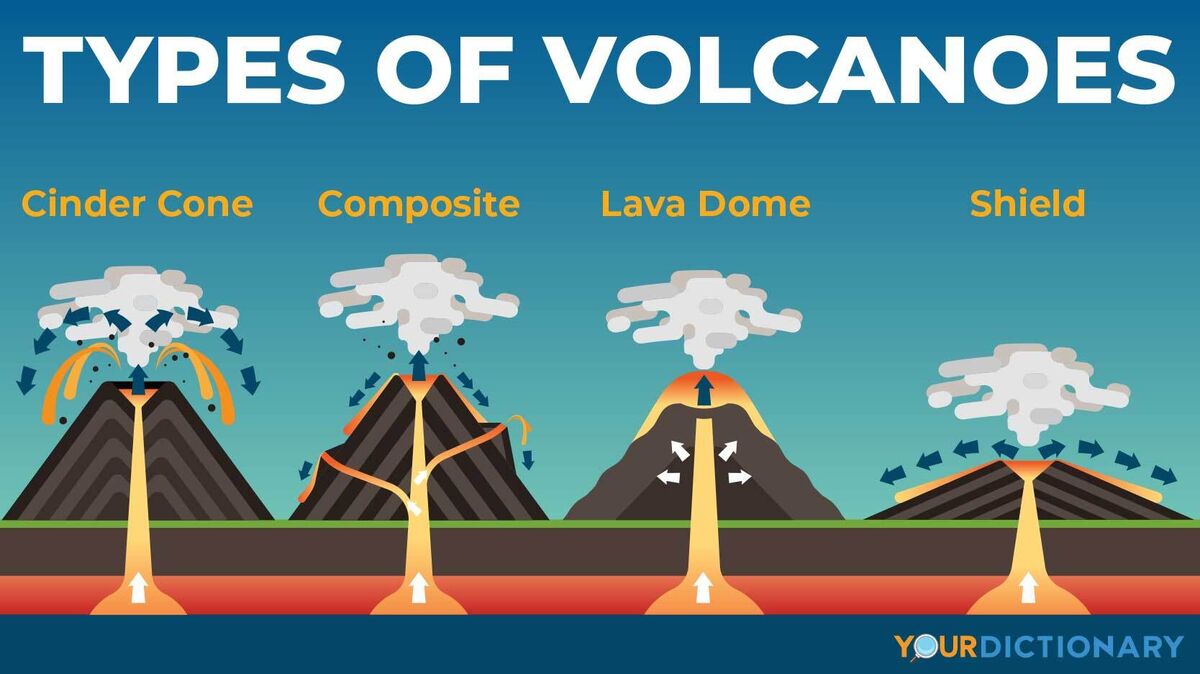
Fluid and effusive eruptions are characterized by a continuous flow of lava that emerges from the volcano. These eruptions are often less violent and can produce large quantities of lava flows that can travel long distances. They are less explosive than explosive eruptions and typically occur at shield volcanoes.
**Explosive Eruptions**
Explosive eruptions are the most violent type of volcanic activity and can be divided into two subcategories:
**Violent Explosions**
Violent explosions occur when a large amount of pressure builds up in the volcano, causing a sudden and violent release of gas and rock. These eruptions can be catastrophic, producing ash plumes that can reach heights of over 10 km and affect nearby cities and villages.
**Phreatomagmatic Explosions**
Phreatomagmatic explosions occur when magma interacts with water, producing a mixture of gas and magma that ejects at high speeds. These eruptions can be highly explosive and produce large amounts of ash and debris.
The 2018 Anak Krakatau Eruption
The 2018 Anak Krakatau eruption is a stunning example of the power of explosive eruptions. On December 22, 2018, a massive landslide triggered a violent explosion that unleashed a massive ash plume, causing widespread damage and loss of life. The eruption was so powerful that it produced a tsunami, which swept through the nearby coastlines, affecting thousands of people.
According to Sutopo Purwo Nugroho, a volcanologist from Indonesia's National Disaster Management Agency, "The 2018 Anak Krakatau eruption was one of the most violent and destructive in recent history. The combination of the landslide and the subsequent explosion created a perfect storm that caught many people off guard."
Geological Factors Contributing to Volcanic Activity
The geological history of Indonesia explains the intense volcanic activity that occurs in the region. The country's unique geography, with its numerous islands and mountain ranges, is a result of the ongoing tectonic plate activity. Here are some factors that contribute to the volcanic activity in Indonesia:
**Subduction Zones**
Subduction zones occur where one tectonic plate is pushed beneath another, causing magma to rise and volcanic activity to occur. The Banda Arc, located along the eastern coast of Java and the southern coast of Papua, is an example of a subduction zone, where the Eurasian plate is subducting beneath the Australian plate.
**Continental Collision**
Continental collision occurs when two tectonic plates collide, causing the Earth's crust to thin and, in some cases, producing volcanic activity. The collision between the Eurasian and Philippine plates in northern Sumatra is an example of this process.
**Hotspots**
Hotspots occur where magma from the Earth's mantle rises to the surface, producing volcanic activity. A hot spot at the boundary between the Eurasian and Australian plates in northern Indonesia, particularly around the islands of Java and Borneo, is an example of ancient hotspot activity.